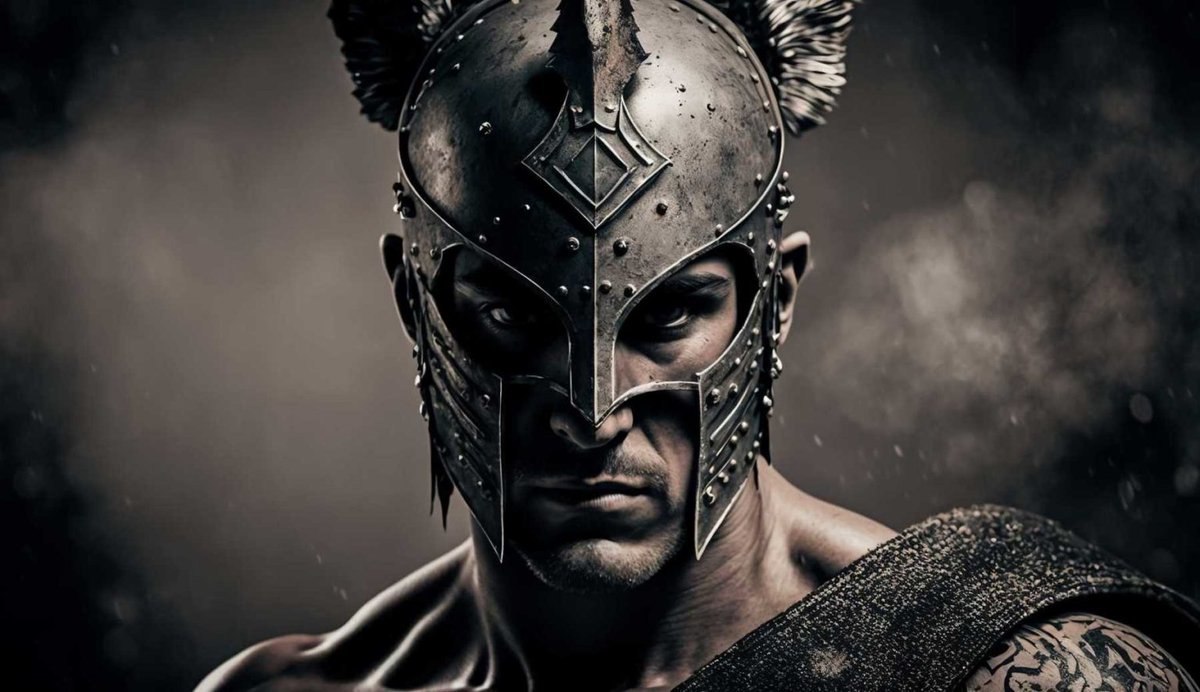
In the vast theater of your imagination, few epochs resonate with the gravitas and glory of ancient Rome. Whether you're crafting an epic historical novel, designing a gripping strategy game, or simply breathing life into a fantasy realm touched by classical echoes, naming your elite fighting forces and fearsome arena champions is a critical first step. A truly great name doesn't just label; it evokes, it defines, it is. That's where a sophisticated Roman Legion & Gladiator Name Generator becomes an indispensable tool, transforming generic placeholders into resonant, historically inspired monikers that lend instant authenticity to your world.
It's more than just a list of cool-sounding words; it's a gateway to understanding the very spirit of a civilization that mastered both organized warfare and spectacular bloodshed. Imagine a legion whose name instantly conveys its storied past, or a gladiator whose chosen epithet whispers tales of triumph and terror. This isn't just about naming; it's about world-building from the ground up.
At a Glance: Your Guide to Roman Naming Power
- Why Names Matter: Discover how authentic Roman names add depth, history, and a touch of the epic to your creations.
- Legion Lore Unleashed: Explore the intricate conventions behind Roman legion names, from numbers and regions to honorifics and unit types.
- Gladiator Grit & Glory: Uncover the powerful symbolism and societal impact embedded in gladiator names, reflecting strength, sacrifice, and dominance.
- How Generators Work: Learn what makes a good name generator, from AI-driven historical accuracy to customizable keyword prompts.
- Beyond the Name: Practical tips for integrating your generated names into compelling narratives and rich, believable settings.
- Avoiding Pitfalls: Steer clear of common anachronisms and stereotypes to maintain historical integrity.
The Undeniable Power of a Roman Name in Your World
Names are anchors in storytelling. For legions, they're battle flags, rallying cries, and epitaphs etched in history. For gladiators, they're masks of identity, promises of spectacle, and the very brand of their struggle for survival. A carefully chosen Roman name doesn't just sound cool; it carries the weight of an empire, the clang of steel, the roar of the crowd.
Think about the Legio X Gemina – "The Tenth Twin Legion." The number signifies its lineage, "Gemina" hints at a merger or a double formation, imbuing it with immediate character. Or consider the gladiator Spartacus, a name now synonymous with rebellion. These aren't arbitrary labels; they are narratives compressed into a few syllables, instantly conveying status, history, and destiny.
Leveraging a well-designed Roman name generator allows you to tap into this linguistic legacy without becoming an ancient historian yourself. It provides the framework, the inspiration, and the historical grounding you need to craft names that truly resonate.
Unpacking the Roman Legion Name Generator: Crafting Military Identity
The Roman legion was arguably the most effective fighting force in the ancient world, a testament to its discipline, organization, and tactical prowess. Naming these units was an art and a science, reflecting their origins, achievements, and loyalties. A good Roman Legion Name Generator mimics this sophisticated system, allowing you to create units that feel genuinely Roman.
How a Smart Legion Name Generator Works Its Magic
At its heart, a sophisticated Roman legion name generator uses AI trained on extensive historical data. This isn't just shuffling random words; it's analyzing ancient naming patterns, understanding the grammatical structures, and cross-referencing genuine Roman military terminology.
You typically start by feeding it keywords describing your desired legion: perhaps an 'elite legion,' a 'frontier unit,' or even a 'praetorian guard.' The generator then processes this input, combining elements like:
- Unit Types:
Legio(the core fighting unit),Cohors(a smaller tactical unit),Ala(cavalry wing),Numerus(auxiliary contingent), or even specializedPraetorianunits for the emperor's guard. - Numbers: Roman legions were numerically identified (e.g., Legio I, Legio II).
- Epithets/Honorifics: Titles denoting achievements, characteristics, or loyalties (e.g.,
Augustafor imperial favor,Victrixfor victory,Fidelisfor loyalty,Felixfor good fortune). - Regional Identifiers: Where the legion was raised, fought, or stationed (e.g.,
Gallicafor Gaul,Hispanafor Spain,Macedonicafor Macedonia). - Founders/Emperors: Sometimes named after significant figures (though less common for standard legions).
The output isn't just a name; it often comes with "Legion Heritage Insights"—a brief explanation of the name's origin, type, or historical significance. This enriches your world-building by giving you immediate context for your new unit. For instance, you might get "Legio III Augusta Felix" with a note explaining 'Augusta' means "venerated/honored by Augustus" and 'Felix' means "fortunate" or "successful."
Dissecting Roman Military Naming Conventions
To truly appreciate and utilize a legion name generator, it helps to understand the underlying historical patterns. These conventions weren't just for identification; they were symbols of a unit's pride, history, and strategic role.
Core Unit Designations
- Legio (Legion): The backbone of the Roman army, typically comprising around 5,000-6,000 heavy infantry, augmented by cavalry. When you think "Roman army," you're likely thinking Legio.
- Cohors (Cohort): A smaller tactical subdivision of a legion, typically 480-600 men. Also used to refer to independent auxiliary units (
Cohortes Alpinorum). A legion typically contained ten cohorts. - Ala (Wing): The term for a Roman cavalry unit, often composed of auxiliary troops. These were crucial for scouting, flanking maneuvers, and pursuit.
- Numerus (Number/Unit): A more general term for auxiliary units, often comprising non-Roman troops from specific regions who fought in their traditional style. These could be quite diverse.
- Praetorian Units: The elite imperial bodyguard stationed in Rome. Their names often emphasized their loyalty to the emperor (
Cohors I Praetoria Augusta).
Honorifics and Epithets: The Badges of Glory
These titles weren't just fancy additions; they were hard-earned distinctions, often granted by emperors for exceptional service, loyalty, or victories.
- Augusta: "Honored by Augustus" or "Imperial," signifying loyalty to the emperor or a connection to the imperial family.
- Victrix: "Victorious," a highly coveted title earned on the battlefield.
- Fidelis: "Faithful" or "Loyal," often awarded for unwavering allegiance during rebellions or times of crisis.
- Felix: "Fortunate" or "Successful," indicating a unit blessed with good luck or consistent triumph.
- Pia: "Pious" or "Dutiful," reflecting devotion to duty or gods.
- Germana: "Germanic," often for units that fought in or were stationed in Germania.
- Adiutrix: "Helper" or "Assistant," sometimes given to legions formed from naval detachments.
These epithets can instantly tell a story about your legion. Is it a Legio X Victrix (a victorious unit of long standing) or a Legio XV Pia Fidelis (a unit known for its unwavering loyalty)? The choice profoundly shapes its identity within your world. Using a robust Roman name generator can help you combine these elements seamlessly.
Regional and Historical Origins: Rooting Your Legions in the Map
Names frequently referenced the geographical areas where a legion was raised, where it achieved a significant victory, or where it was permanently stationed.
- Gallica: From Gaul (modern France).
- Hispana: From Hispania (modern Spain).
- Macedonica: From Macedonia.
- Syriaca: From Syria.
- Parthica: Associated with campaigns against the Parthian Empire.
- Italica: Formed from Italian recruits.
These regional tags can help you define your legion's operational theater or its recruitment base. A Legio XXII Primigenia (the "Twentieth-Second Fortuna Primigenia Legion," referencing a deity) stationed on the Rhine frontier would have a very different feel from a Legio III Cyrenaica (from Cyrene, North Africa) garrisoning Egypt.
Numbers and Identification: Avoiding Confusion
While legions often shared numbers (e.g., multiple "Legio I"s existed over time), they were distinguished by their epithets or regional identifiers. This is why "Legio X Gemina" is specific, separating it from other "Legio X" units. A good generator will help create names that feel unique while adhering to this convention, ensuring your Legio I isn't confused with another unless that's your specific world-building intent.
Practical Application: Crafting a Legion's Identity
With a name generator at your fingertips, you can:
- Define its Core Identity: Is it an old, grizzled veteran legion? A newly raised auxiliary force? A prestigious guard unit? Your keywords guide the generator.
- Give it a Backstory: A name like "Legio VII Claudia Pia Fidelis" immediately suggests a history of loyalty (Pia Fidelis) and possibly an emperor's favor (Claudia, though this refers to a famous legion's association with Claudius). You can then invent the specific events that earned these honors.
- Place it Geographically: A "Legio IV Scythica" suggests its main area of operation or recruitment was near Scythia. This grounds your legion in your world's geography.
- Influence its Tactics/Temperament: A "Legio X Fretensis" (from the Strait of Messina) might be a naval-infused legion, adept at amphibious operations. A "Legio III Augusta" might be considered more elite or traditional.
The deeper your understanding of these naming conventions, the more nuanced and compelling the identities you can forge for your fictional Roman armies.
Forging a Gladiator's Destiny: The Gladiator Name Generator
From the dust of the arena to the roar of the crowd, gladiators were more than mere fighters; they were symbols. Symbols of strength, sacrifice, power, and dominance. Their existence influenced every level of Roman society, from aristocrats who indulged in lavish spectacles to citizens who fiercely supported their favored warriors. Gladiator names, therefore, were steeped in this culture of loyalty, competition, honor, and bloodshed.
What Makes a Gladiator Name Resonate?
Unlike legion names, which were formal military designations, gladiator names often leaned towards the evocative, the theatrical, or the aspirational. They could be:
- Mythological: Drawing on powerful figures (e.g., Achilles, Hercules, Spartacus himself).
- Geographical/Ethnic: Indicating origin or perceived fighting style (e.g., Thrax for Thracian, Gaul for Gaulish).
- Descriptive: Highlighting a trait or fighting prowess (e.g., Ferox - Fierce, Invictus - Unconquered).
- Proprietary: Sometimes the name of their lanista (owner) or ludus (gladiator school).
- Simple & Powerful: Short, impactful names designed to be chanted by the crowd.
A good gladiator name generator understands these nuances. It aims to create names that could realistically have been shouted across the Colosseum, names that encapsulate the raw energy and dramatic flair of gladiatorial combat.
Generator Features for Gladiator Glory
Modern gladiator name generators are designed for maximum flexibility, allowing you to fine-tune your results:
- Language Options: Beyond Latin, many generators allow you to specify origins like Greek, Norse, or even Germanic, reflecting the diverse backgrounds of gladiators. This is crucial for authenticity, as many gladiators were foreign slaves or prisoners of war.
- Gender Specification: Options for "Male Names" or "Female Names" ensure your characters are appropriately represented. While female gladiators (Gladiatrices) were less common, they certainly existed and held a unique place in Roman spectacle.
- Custom Prompts: Entering a free-form prompt like "fierce warrior" or "cunning fighter" can guide the AI to generate names that align with a specific persona.
- Contextual Output: Like legion generators, some will offer a brief meaning or origin, enhancing your understanding and aiding your world-building efforts.
Beyond the Name: Gladiator Personas and the Spectacle
A gladiator's name was often tied to their fighting style, their arma (equipment), and their origin. This offers another layer of world-building inspiration:
- Thrax (Thracian): Wielded a small, curved sword (sica) and a small rectangular shield.
- Murmillo: Heavily armed, with a large rectangular shield (scutum), sword (gladius), and fish-crested helmet.
- Retiarius: The "net-man," lightly armored, fighting with a net, trident, and dagger.
- Secutor: The "chaser," often pitted against a Retiarius, heavily armed with a smooth, egg-shaped helmet to avoid entanglement in the net.
- Dimachaerus: Wielded two swords.
- Eques: Fought on horseback.
Imagine generating the name "Ferox, the Scythian Retiarius," a warrior known for his wild, elusive style. Or "Invictus, the Britannic Murmillo," an unyielding force of nature. The name, combined with the fighting style, immediately conjures a vivid image.
The atmosphere of loyalty and competition fostered by these gladiatorial contests shaped expectations of honor and valor, profoundly altering power dynamics in a society that thrived on spectacle, glory, and bloodshed. Your generated names can reflect this, giving your gladiators a role that transcends mere combat. A name like "Victor" might be a crowd favorite, while "Brutus" might be seen as a stoic, honorable fighter.
Beyond the Basics: Advanced World-Building with Roman Names
A name generator is your starting point, but the true artistry comes in weaving these names into the fabric of your world. This is where your world-building truly shines.
Integrating Names into Your Lore
- Lineage & Houses: A gladiator could take on the name of a famous familia gladiatoria (gladiatorial family/school) or even adopt the name of a victorious ancestor. A legion might be re-formed from the remnants of an older, disgraced unit, carrying a variant of its original name.
- Geographical Naming: Just as historical legions were tied to regions, you can create a mountain range named the "Victrix Peaks" after a decisive legionary battle, or a gladiator training ground called "The Arena of Imperator Felix" after a renowned champion.
- Event-Driven Names: A legion might earn a new epithet after a specific campaign (e.g., "Legio IV Nova Parthica" for a new Parthian campaign). A gladiator could be rechristened "The Lion of Antioch" after a specific victory.
- Cultural Significance: Consider how different groups in your world might view Roman names. Do barbarians fear legions with specific epithets? Do the common folk have superstitions about certain gladiator names?
Avoiding Anachronisms and Stereotypes
While creative license is essential, a basic understanding of historical context keeps your world grounded.
- Anachronisms: Avoid names that sound too modern or belong to vastly different cultures without strong narrative justification. A "Legio X Computeriana" simply wouldn't fit. A Roman name generator helps sidestep these issues by staying within historical naming patterns.
- Stereotypes: Be mindful of perpetuating harmful stereotypes. A gladiator from a specific region doesn't have to embody every cliché associated with that culture. Use names to add depth, not to simplify.
Using Names to Subvert Expectations
Sometimes, the most compelling stories arise when names don't perfectly align with expectation.
- The Un-Victorious Victrix: A legion named "Victrix" that consistently loses, perhaps struggling to live up to its heritage.
- The Humble Hercules: A gladiator named "Hercules" who is physically small but incredibly agile and cunning.
- The Traitorous Fidelis: A legion known for its "Fidelis" epithet that ultimately betrays the empire.
These narrative ironies can add profound depth and conflict to your characters and units.
When to Deviate from Historical Accuracy (and Why)
While authenticity is key, remember your ultimate goal: engaging storytelling.
- Rule of Cool: Sometimes, a slightly less historically accurate but more impactful name might be preferable for dramatic effect.
- Fantasy Elements: If your world blends Roman elements with high fantasy, you might want names that reflect that fusion, such as "Legio VII Draco" (Dragon Legion) or a gladiator named "Shadow-Blade."
- Simplicity: For younger audiences or less complex narratives, overly intricate Roman names might be simplified for easier recall.
The key is conscious deviation. Know the rules, then decide when and why to break them.
Choosing Your Digital Blacksmith: What to Look for in a Name Generator
Not all name generators are created equal. To ensure your Roman Legion & Gladiator Name Generator is truly useful, consider these factors:
- Authenticity: Does it draw from a rich dataset of historical Roman names, military units, and gladiatorial contexts? Does it understand the grammatical and semantic structures of Latin and relevant regional languages? Generators that claim "AI trained on historical Roman legions and naming conventions" are generally a good sign.
- Customization Options:
- Keywords: Can you input terms describing your unit or fighter?
- Filters: Are there options for male/female, specific eras (Republic, Imperial), or types (elite, auxiliary)?
- Language: For gladiators, can you specify a cultural origin?
- Output Quality and Variety:
- Does it produce a good number of unique names (e.g., 10 for gladiators, 30 for legions)?
- Are the names genuinely inspiring, or do they feel generic?
- Does it offer variations on a theme, rather than just random word combinations?
- "Heritage Insights" or Meanings: This is a gold standard feature. Names accompanied by their Roman military origin or a brief meaning are invaluable for world-building, providing instant context and depth. For gladiators, insight into the typical connotations of the name (e.g., "Invictus" meaning "unconquered") is equally helpful.
- User Experience: Is the interface intuitive? Can you easily select and copy names?
A generator that scores high on these criteria will be a powerful ally in your creative process, helping you develop rich and believable characters and organizations. It streamlines the research process, allowing you to focus on the storytelling.
Common Questions and Misconceptions About Roman Naming
Let's clear up some common confusions to further empower your naming choices.
Are All Roman Names Strictly Latin?
While Latin was the official language of Rome, the empire was vast and multicultural. Gladiators, in particular, often came from conquered lands and might have adopted Romanized versions of their native names (e.g., a Celt named Vercingetorix might be known as "Gaul" or given a Latin epithet). Legion names were predominantly Latin, but epithets could reference Greek mythology or foreign regions. A good Roman name generator will offer linguistic variety where appropriate, especially for gladiators.
Can I Use Real Historical Legion or Gladiator Names?
Yes, absolutely! Many writers and game developers use real historical names for their characters and units, especially in historical fiction, to lend authenticity. However, be aware of the historical baggage. Using "Legio X Gemina" might mean you inherit its real history and campaigns. If you want more creative freedom, using a generator to create a historically plausible but fictional name is often better. For gladiators, names like "Crixus" or "Flamma" are excellent inspirations.
How Do I Make a Name Unique but Still Sound Roman?
This is where the generator's combination of historical components shines. Instead of just "Legio I," add unique epithets or regional identifiers: "Legio I Minervia," "Legio I Italica," "Legio I Germanica Pia Fidelis." For gladiators, combine evocative words: "Invictus the Gaul," "Ferox the Thrax," "Scaevola the Swift." The key is to layer recognized Roman elements in new combinations.
What's the Difference Between a Legion and a Cohort Name?
A legion (Legio) was the primary, large-scale fighting unit, identified by a number and often one or more epithets (e.g., Legio III Augusta). A cohort (Cohors) was a smaller subdivision within a legion, or an independent auxiliary unit. Independent auxiliary cohorts often had their own numbering and epithets (e.g., Cohors I Alpinorum). The generator helps you distinguish these by applying the correct prefix (Legio vs. Cohors) based on your input.
Your Roman Saga Awaits: Unleashing Your Inner Strategist and Spectator
Crafting a world inspired by ancient Rome is an endeavor filled with thrilling possibilities. From the intricate politics of the Senate to the brutal efficiency of the legions and the visceral drama of the arena, it's a setting ripe for epic tales. But every epic needs a strong foundation, and that starts with names that feel authentic, powerful, and deeply embedded in their context.
A powerful Roman Legion & Gladiator Name Generator isn't just a gimmick; it's a vital tool for any serious world-builder. It saves you countless hours of research, offers a wealth of inspiration, and ensures that your fictional legions march under banners as proud as any in history, and your gladiators fight with names that echo through the ages.
So, go forth and name your empires, your heroes, and your legends. The roar of the crowd, the clash of swords, and the march of history are waiting for the names you forge. What will your legions be called? And whose name will be etched into the sands of the arena, never to be forgotten?